China Top 10 Ups Power Supply Brands You Should Know?
In today's fast-paced digital world, reliable power supply systems are crucial. UPS power supply units provide essential backup during outages. As businesses and homes rely on technology, choosing the right UPS brand matters significantly.
This article explores the top 10 UPS power supply brands in China. Each brand offers unique features and benefits. Knowing these brands helps you make informed decisions. Whether for a small office or a large enterprise, understanding your options is vital.
The UPS market is ever-evolving. With new technologies emerging, it can be hard to keep up. Some brands may seem more appealing on the surface. However, their reliability and service may not match expectations. We emphasize the importance of research and personal experience in selecting the right solution for your needs.
Overview of Power Supply Brands in China
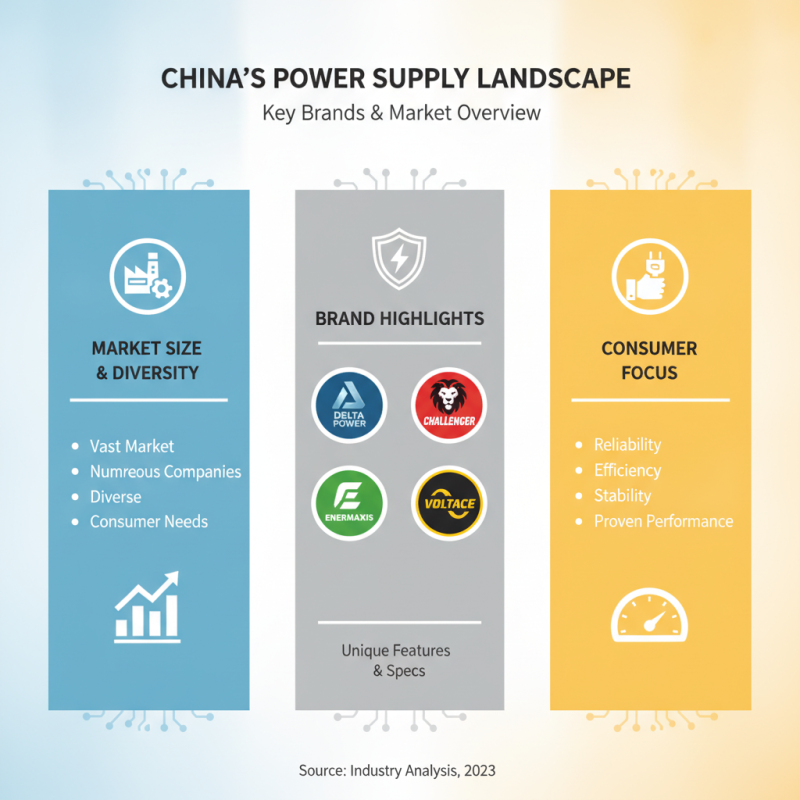
In China, power supply brands are a critical aspect of technology. The market is vast, featuring numerous companies that cater to various consumer needs. Each brand brings unique features and specifications. This diversity allows consumers to find suitable options. A good power supply ensures stability and efficiency. Users often prefer brands with proven reliability and performance metrics.
Many brands emphasize quality components in their designs. Some utilize advanced technologies, enhancing efficiency and reducing energy waste. However, not all brands maintain consistent quality control. This inconsistency can lead to user dissatisfaction and even product failures. It's essential for consumers to research and compare features before making decisions.
Understanding a brand’s reputation involves evaluating customer feedback and expert reviews. This research can reveal potential shortcomings. Some brands excel in customer service, while others struggle. Choosing a power supply is about more than just specifications. Consumers should consider long-term usage and support options.
Criteria for Ranking Top Power Supply Brands
When evaluating the top power supply brands in China, specific criteria play a crucial role. Key factors include performance, efficiency, reliability, and innovation. Industry reports indicate that power supplies with high efficiency ratings can reduce energy consumption by up to 20%. This efficiency contributes to both cost savings and environmental benefits.
Quality control is another critical factor. Brands that implement rigorous testing protocols often gain a competitive edge. Reports show that failure rates decrease significantly when companies adopt comprehensive quality assurance practices. Customers value reliability, as even minor fluctuations can lead to significant issues in sensitive electronic devices.
Tip: Always check the efficiency ratings before purchasing a power supply. Look for certifications like 80 PLUS to ensure optimal performance.
Design and technological innovation are also essential. Brands that invest in research and development tend to stay ahead. They create products that not only work well but also incorporate advanced features. However, it’s important to evaluate whether these innovations truly add value or just serve as marketing tactics.
Tip: Prioritize brands with proven track records in innovation to avoid gimmicks. Evaluate user reviews and expert opinions to gauge the actual performance of new features.
Top 10 Power Supply Brands in China
Detailed Profiles of Top 10 Power Supply Brands
In the competitive landscape of power supply brands in China, a few stand out due to their commitment to quality and innovation.
Industry reports indicate that the overall demand for power supplies has surged by nearly 15% in the past year.
This increase stems from the boom in electronics, renewable energy, and automotive sectors.
Companies that prioritize technology have seen rapid growth, reflecting a robust market trend.
A reliable power supply is crucial for consumer electronics and industrial applications alike.
One report highlights that nearly 60% of failures in electronic devices are attributed to poor power supply quality.
Leading brands invest heavily in robust testing and customer service to minimize these risks.
They ensure high efficiency, with some achieving over 90% across diverse applications.
However, the industry still faces challenges. Regulatory standards are evolving, and some brands struggle to keep up.
Energy efficiency is becoming a priority for both manufacturers and consumers.
Many brands are adapting by developing green energy solutions.
Yet, there are instances where brands fall short due to inadequate sustainability practices.
The reliance on outdated materials or manufacturing processes can tarnish their reputation.
Balancing innovation with responsible practices is a continuous challenge that many brands must address.
Market Trends and Innovations in Power Supply Industry
The power supply industry is evolving rapidly. New technologies are shaping how we think about energy efficiency and reliability. Innovations such as smart power supplies and modular designs are gaining popularity. These advancements allow for more flexibility and better performance in various applications.
Tips: Consider the energy needs of your devices. Always choose power supplies that meet or exceed those requirements. Pay attention to efficiency ratings, as a higher rating can lead to cost savings over time.
Additionally, the demand for renewable energy sources influences the market. Manufacturers are integrating eco-friendly features into their designs. However, navigating these options can be confusing. Many products claim to be energy efficient but fall short.
Tips: Research the specifications thoroughly. Look for independent reviews and certifications. A reliable product should have transparent performance metrics and clear user guidance. This will ensure that your choice is both effective and sustainable.
Future Prospects for Power Supply Brands in China
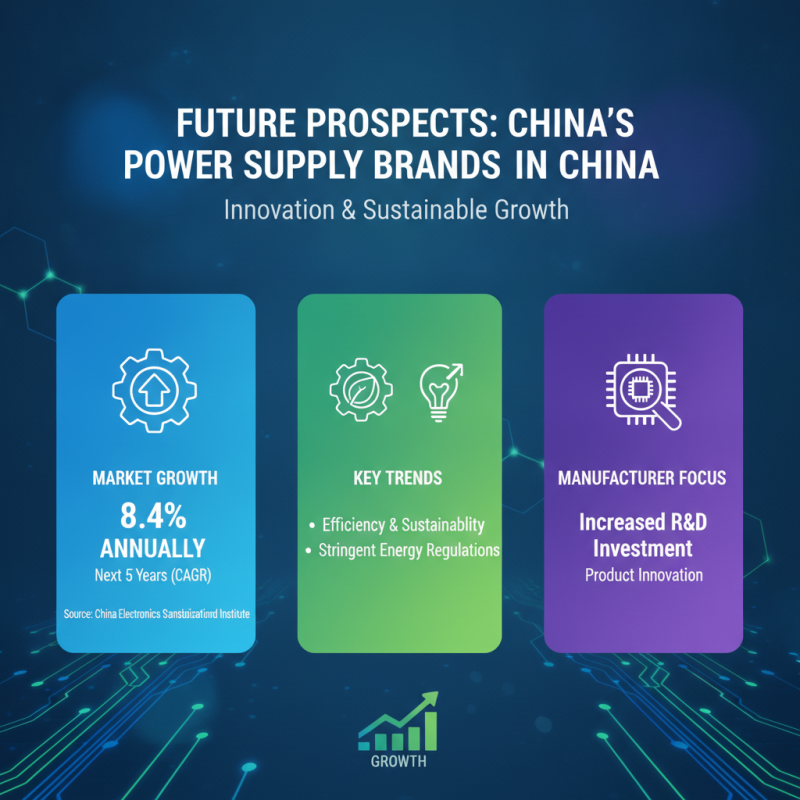
The power supply sector in China is rapidly evolving, driven by innovation and increased demand. According to a recent report by the China Electronics Standardization Institute, the power supply market is expected to grow at a rate of 8.4% annually over the next five years. This growth reflects a broader trend in the electronics industry, emphasizing efficiency and sustainable practices. Manufacturers are now investing more in research and development, striving to create products that meet stringent energy consumption regulations.
While this landscape presents opportunities, challenges remain. Several brands face hurdles regarding product differentiation. Tight competition can dilute market presence. Moreover, the shift to renewable energy sources requires adaptation. Companies must refine their strategies to cater to new consumer preferences. The need for reliable, efficient solutions is more critical than ever. Industry analysts suggest that brands failing to adapt may struggle to survive.
Consumer awareness and education play crucial roles in shaping the market. As electrical devices become more commonplace, understanding power supply efficiencies is essential for users. Brands that focus on transparency and clear communication of their benefits can gain a competitive edge. Investing in customer education initiatives could enhance brand loyalty while fostering informed choices.

 Products
 News
News
 Whatsapp
 Skype
Skype
 Wechat