Products
News
Whatsapp
Skype
Wechat
Finding the best China Power Adapter supplier requires more than comparing prices on a product page. A reliable partner should combine engineering capability, stable production, transparent communication, and consistent quality control. As power-management expert Dr. Bob Mammano explains, “Power management is about delivering power where and when it is needed, as efficiently as possible.” This principle also applies when selecting a supplier.
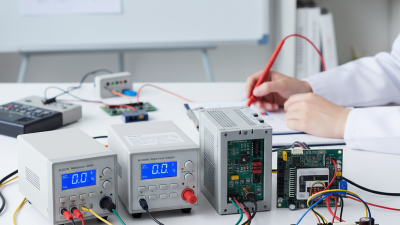
Look beyond attractive samples. Examine the factory’s testing process, component traceability, thermal performance, and production records. Ask how each Power Adapter is tested before shipment. A professional supplier should explain voltage regulation, overload protection, insulation testing, and failure handling clearly. Certifications matter, but they should support real quality rather than replace it. Check whether certificates match the exact model, manufacturer, and target market.
Request samples from different production batches. Test them with your actual devices, cables, and operating conditions. Watch for heat near the plug, unstable output, loose housing, or noise during charging. Small details often reveal larger weaknesses. Factory audits, video inspections, and third-party testing can reduce uncertainty. They cannot remove it completely.
Pricing still matters. However, the lowest quote may hide weaker components, higher defect rates, or limited after-sales support. Discuss minimum order quantities, customization limits, lead times, packaging, warranties, and spare-unit policies. A written quality agreement helps both sides.
No supplier is perfect. I would question any factory promising zero defects without showing evidence. The strongest choice is usually the supplier that communicates problems early, documents corrective actions, and improves after feedback. That is how a product becomes dependable in everyday use.
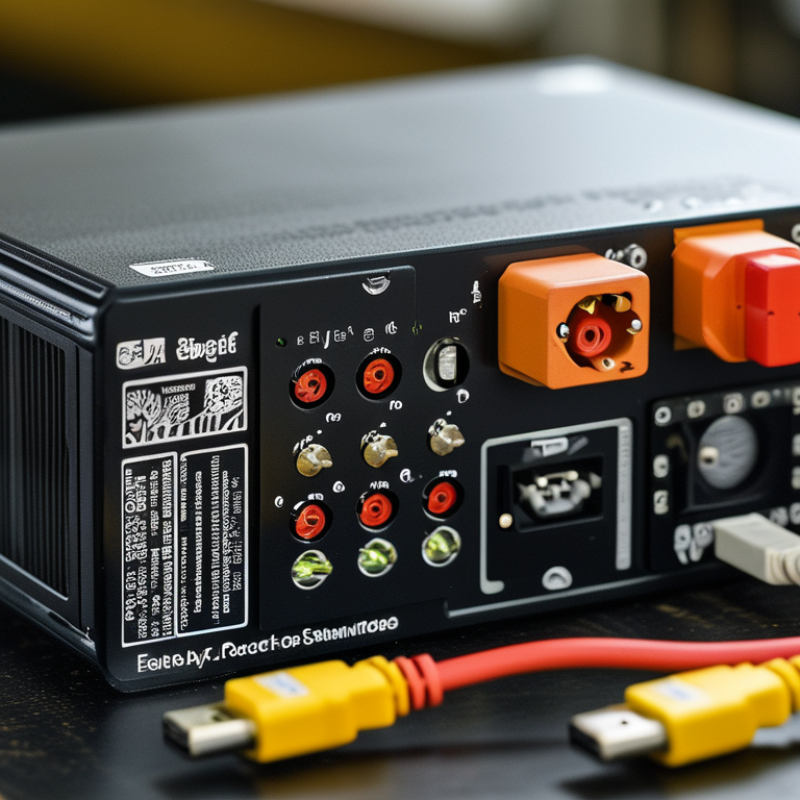
Defining requirements is the real starting point when choosing a China power adapter supplier. Specify input voltage, output voltage, wattage, plug type, cable length, connector size, and operating temperature. Also state whether the adapter needs USB-C Power Delivery, fixed output, or multiple ports. A factory cannot quote accurately from “standard charger.” That phrase hides important risks.
Compliance must be written into the technical specification, not discussed casually. For many markets, review IEC 62368-1 safety requirements, electromagnetic compatibility testing, RoHS restrictions, and applicable energy-efficiency rules. The European Commission estimated that its external power supply ecodesign measures could save about 12 TWh of electricity annually by 2030. This figure shows why no-load consumption matters. In the United States, Department of Energy efficiency rules also evaluate active-mode performance and standby power. Ask suppliers for complete test reports, not only certificates.
Check the report number, laboratory accreditation, tested model, and production version. A sample with a neat label proves little. Request insulation drawings, component lists, thermal test results, and traceability records. I have seen sourcing teams approve a 65W sample, then discover a 45W production unit. A painful mistake. Define acceptance limits for voltage accuracy, ripple, temperature rise, and continuous-load testing. Then audit whether the supplier controls these limits during mass production. Standards can reduce risk, but unclear specifications still create failures.
Choosing a China power adapter supplier requires more than comparing prices. I usually begin by checking product experience, factory capacity, and technical documentation. Ask for test reports, quality certificates, and clear input and output specifications. Verify whether the documents match the actual model. Small mismatches can create expensive problems.
Request samples before discussing large orders. Test voltage stability, temperature rise, plug fit, insulation, and charging performance. A reliable supplier should explain its protection features and testing process without hesitation. I also review production records, incoming material checks, and final inspection procedures. Factory visits or independent audits can reveal details that polished presentations hide. Look closely.
Compare at least three qualified suppliers using the same checklist. Review minimum order quantities, sample fees, production time, packaging, payment terms, and after-sales support. Ask how defects are recorded and corrected. Their answer often shows more than a sales promise. Keep communication in writing. Technical misunderstandings happen easily, especially when specifications change during sampling.
I once underestimated packaging strength. Several cartons arrived with damaged corners, although the adapters worked correctly. That experience changed my evaluation process. I now inspect drop-test methods and warehouse conditions before approval. No supplier is perfect. However, a dependable partner admits weaknesses, offers evidence, and improves the process. Cost matters, but traceability, consistent testing, and responsive engineering support deserve equal attention.
A reliable China power adapter supplier should prove quality through samples, records, and repeatable production. Inspect the housing for clean seams, firm pins, and accurate labeling. During testing, check output voltage, heat buildup, plug fit, and cable strain relief. A small flaw can become a costly field failure.
Certifications need careful verification, not just logo collection. Ask for current, model-specific certificates and complete test reports. Confirm whether an accredited laboratory issued them. Requirements vary by destination market, so generic documents may not be enough. Review insulation, overcurrent protection, short-circuit response, and temperature performance. In my experience, suppliers often explain technical results clearly, but sometimes avoid difficult questions. That hesitation deserves attention.
Manufacturing capability matters after the sample passes. Review assembly flow, incoming inspection, burn-in testing, and final quality checks. Ask how serial numbers support traceability. Check whether the supplier controls key components and can maintain stable output during larger orders. A factory visit helps, although a polished production floor cannot prove every process works consistently. Independent inspection remains useful.
Tips: Request three production samples, not one. Compare their output and temperature readings. Ask for defect-rate data from recent batches. Review corrective-action records, even when they look uncomfortable. A supplier willing to discuss past failures may offer stronger long-term reliability.
A reliable supplier should prove performance before discussing large orders. Request production samples with the exact voltage, plug type, casing, and cable length you need. Test each sample under normal and heavy loads. Check temperature, noise, charging stability, connector fit, and surface quality. Use a simple tester, but consider an independent laboratory for safety-critical applications. A polished sample can still hide inconsistent internal components.
Arrange a factory audit before approving regular production. Review incoming-material controls, assembly procedures, testing equipment, worker training, and final inspection records. Ask how the supplier handles defective units and product changes. Production traceability matters when a later shipment performs differently. I have found that tidy facilities do not always guarantee disciplined processes. Audit evidence should support the supplier’s claims, not merely create a good impression.
Tips: Ask for three recent customer references with similar order sizes. Contact them independently and ask about delivery consistency, communication, failure rates, and after-sales support. Verify whether the references purchased the same adapter model. Request current inspection reports and compare them with your own sample results. Keep written records of every promise, test condition, and revision. Small details are easy to forget. A second audit may be worthwhile when the supplier avoids specific answers or changes specifications without notice.
When choosing a China power adapter supplier, compare the complete purchasing cost, not only the unit price. Ask for pricing at several quantities, tooling charges, packaging costs, inspection fees, and replacement terms. A low quote may hide expensive shipping or a large minimum order quantity. I once focused too heavily on the unit price. That shortcut was wrong.
Lead time needs a written breakdown. Request sample time, production time, inspection time, and shipping time separately. The World Bank’s 2023 Logistics Performance Index gave China a score of 3.7 out of 5, showing strong logistics performance but also room for delays. UNCTAD’s Review of Maritime Transport 2024 notes that ships carry over 80% of global trade by volume. Port congestion can still affect delivery schedules. Compare normal and peak-season lead times, then ask for a realistic buffer.
Tips: Request three quantity-based quotations. Confirm MOQ flexibility in writing. Check whether technical support answers within one business day. Ask for a named contact after shipment. Review the warranty period, failure-report process, spare-unit policy, and documentation support. These details matter when an adapter fails during installation. The best supplier is not always the cheapest; sometimes support terms protect cash flow better than a small discount. Supplier promises can sound precise, but they still need evidence from recent orders, inspection records, and customer references.