What is a DC Power Supply and How Does It Work?
A DC power supply is a crucial component in many electronic systems. As technology advances, understanding how these systems work becomes essential. Dr. Emily Carter, a leading engineer in power electronics, once said, “A reliable DC power supply is the backbone of efficient electronic design.” This statement captures the importance of DC power supplies in modern applications.
DC power supplies convert alternating current (AC) from wall outlets into direct current (DC) for devices. They allow for precise voltage and current regulation, which is vital in laboratories and industrial settings. Many manufacturers rely on these supplies for testing equipment. The absence of a stable DC power source can lead to functionality issues in sensitive devices.
Despite their importance, not all DC power supplies are created equal. Some may introduce noise or voltage spikes, causing operational inconsistencies. Selecting the right supply requires careful consideration of requirements and specifications. Therefore, a thorough understanding of DC power supplies is key for engineers and technicians alike.
What is a DC Power Supply?
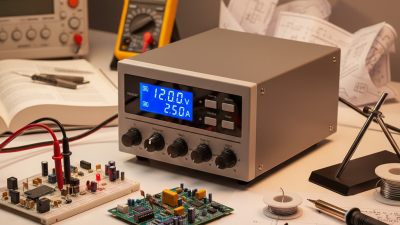
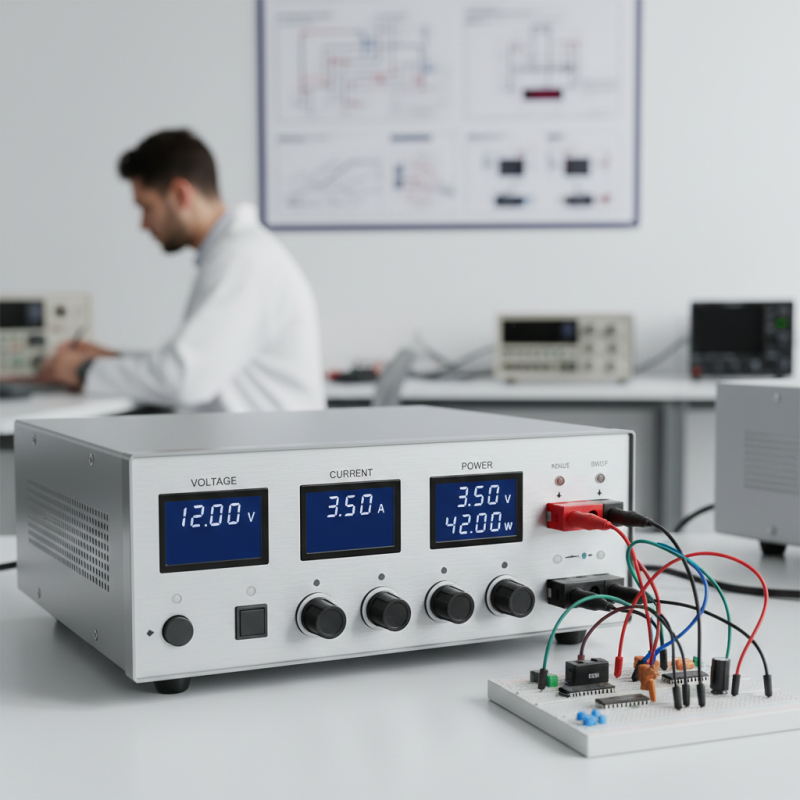
A DC power supply is an essential device that provides a constant direct current voltage to electronic circuits. It converts alternating current (AC) from the mains into a stable DC output. This conversion is crucial for powering devices that require steady voltage levels to function correctly. The supply ensures electronic components receive the right power, avoiding damage from voltage fluctuations.
Inside, it uses transformers to step down voltage, rectifiers to convert AC to DC, and filters to smooth the output. These components work together to eliminate noise and ripple, but sometimes the output is not perfectly smooth. This imperfection can impact sensitive electronics and requires additional filtering.
Choosing a DC power supply involves considering voltage accuracy, current capacity, and protection features like overload shutdown. Despite its straightforward concept, designing one that meets all needs is challenging. Engineers must balance efficiency, size, and cost while ensuring reliability under different loads and conditions.
DC Power Supply Output Voltage Levels
Key Components of a DC Power Supply
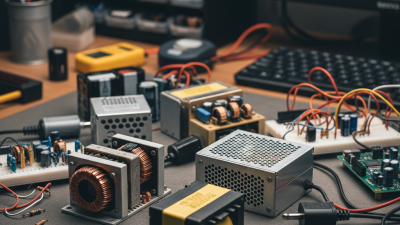
A DC power supply converts alternating current (AC) to direct current (DC). It is crucial in various applications, from simple electronic devices to complex industrial machinery. Key components of a DC power supply include the transformer, rectifier, filter, and voltage regulator. Each component performs specific functions, ensuring the output is clean and stable.
The transformer steps down AC voltage to the desired level. This process contributes to efficiency. According to industry reports, transformers can achieve over 95% efficiency in optimal conditions. The rectifier converts AC to DC. Standard specifications indicate that silicon-based rectifiers handle higher currents, impacting performance in high-demand applications.
Filtering is vital to smooth the output voltage. Capacitors play a significant role here. They eliminate ripple voltage, enhancing reliability. Voltage regulators maintain consistent output voltage, adjusting for fluctuations in input or load. The reliability of these components is critical. A study highlighted that power supply failures often stem from inadequate filtering or poor regulation. Understanding these key components aids in selecting an appropriate DC power supply for specific needs. This knowledge drives better design choices and enhances overall system performance.
What is a DC Power Supply and How Does It Work? - Key Components of a DC Power Supply
| Component |
Function |
Typical Ratings |
Application |
| Transformer |
Steps down AC voltage to suitable level |
110V/220V AC input |
Power supplies for small devices |
| Rectifier |
Converts AC to DC |
Up to 10A |
Voltage regulation |
| Filter |
Smooths out the rectified output |
Capacitance values range from 100μF to 1000μF |
Improving output voltage quality |
| Voltage Regulator |
Maintains a constant output voltage |
Fixed output (e.g., 5V, 12V) |
Power sources for electronic circuits |
| Output Terminal |
Connects to the load |
Varies by application |
Devices requiring DC power |
How Does a DC Power Supply Convert Voltage?
A DC power supply is essential for various electronics. It converts an AC voltage to a steady DC voltage, which most devices require. The conversion process begins with rectification. This process changes alternating current (AC) to direct current (DC). Typically, full-wave rectifiers are more efficient. They utilize both halves of the wave, increasing output.
After rectification, the voltage is often unstable. To stabilize it, voltage regulation is necessary. This can involve linear or switching regulators. Linear regulators provide smooth output, while switching regulators offer high efficiency. According to a recent industry report, switching power supplies can achieve 90% efficiency. However, they can introduce noise. This noise can affect sensitive equipment.
Filtering is another crucial step. Capacitors and inductors smooth out voltage fluctuations. The quality of these components directly impacts performance. Poor filtering can lead to significant issues. Without proper design, devices may fail or underperform. This highlights the importance of quality in power supply design. The intricacies of voltage converters are often underestimated. Understanding these factors is vital for engineers and technicians.
Types of DC Power Supplies and Their Applications
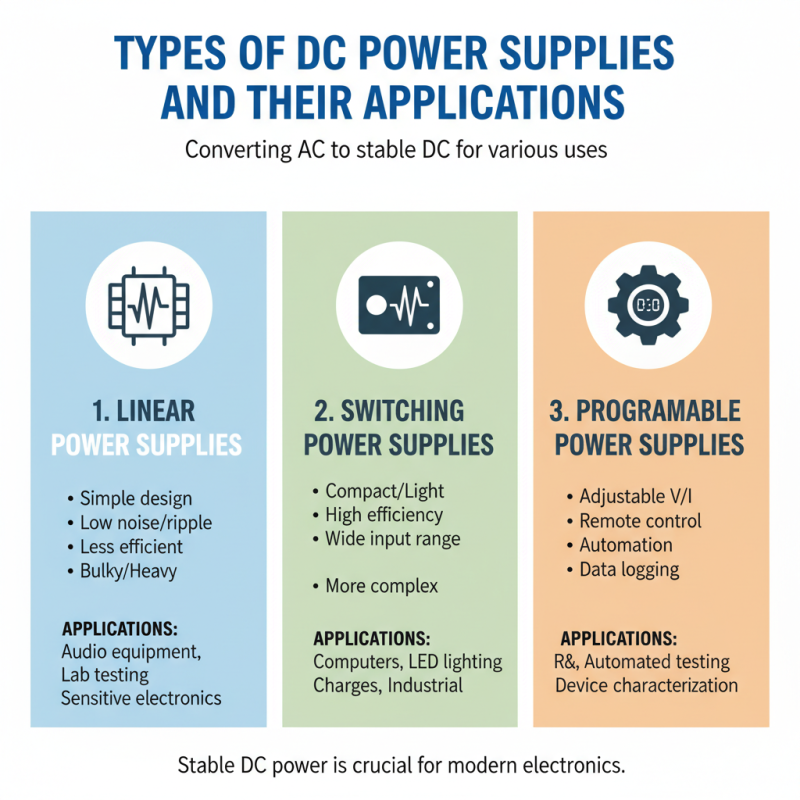
DC power supplies are essential components in various applications. They convert alternating current (AC) into direct current (DC), providing stable voltage and current. Several types exist, including linear, switching, and programmable power supplies.
Linear DC power supplies deliver a steady output. They are simple and reliable. However, they can be bulky and inefficient. These supplies often find use in laboratory settings. They provide high accuracy and low noise, making them ideal for sensitive electronics.
Switching power supplies are more compact and efficient. They adapt well to varying loads and are widely used in consumer electronics. Reports show that this type is gaining traction, accounting for over 40% of the market share in 2023. Programmable DC power supplies add flexibility. Users can set voltage and current levels dynamically.
**Tip:** When selecting a power supply, consider load requirements and stability. Ensure the chosen supply can handle peak demands to avoid failure.
While choosing a supply, reflect on your application needs. Not every power supply offers the same reliability or accuracy. Balancing performance and cost is key.
Understanding the Efficiency and Regulation of DC Power Supplies
DC power supplies are essential for various electronic applications. Efficiency in DC power supplies refers to how well they convert input power to usable output power. An efficient power supply wastes less energy as heat. This is crucial for both performance and energy costs.
Regulation is another vital aspect. It ensures that the output voltage remains stable, even with varying loads. A well-regulated DC power supply maintains consistent voltage, which is key for sensitive devices. Without good regulation, devices might experience instability or damage.
Tips: Consider measuring the efficiency of your power supply regularly. Poor efficiency can lead to rising energy costs. Keep an eye on thermal performance; overheating could indicate regulation issues. Balancing efficiency and regulation can be intricate. Not everything works perfectly, and some trial and error may be necessary. Understanding these concepts can help you make informed decisions.

 Products
 News
News
 Whatsapp
 Skype
Skype
 Wechat