How to Choose a Switching Power Supply for Your Needs?
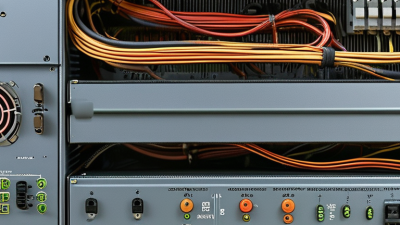
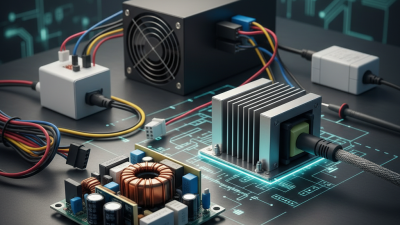
Choosing a Switching Power Supply begins with the real conditions of your equipment, not a product label.
Robert W. Erickson, a respected power-electronics researcher, describes power electronics as “the application of solid-state electronics for the control and conversion of electric power.” His statement explains why selection requires more than matching voltage. A reliable supply must deliver stable output under changing loads, temperature shifts, and startup demands. Measure the device’s operating voltage and maximum current carefully. Then add practical headroom, often 20% to 30%, for unexpected peaks. A small motor, relay, or processor can briefly demand much more power than its normal rating suggests.
Check efficiency, output ripple, transient response, cooling needs, and protection functions. Overvoltage, overcurrent, short-circuit, and thermal protection can prevent one fault from damaging an entire system. For industrial equipment, inspect electromagnetic interference performance and required safety approvals. For a compact enclosure, examine airflow, fan noise, and mounting space. A supply may look powerful on paper but fail in a hot, crowded cabinet.
Do not choose by wattage alone.
An engineer should also test the supply with the intended load. Observe the output during startup, sudden load changes, and extended operation. A clean spreadsheet cannot predict every surge. This is where real experience matters. In some cases, the first selection may be technically acceptable but poorly matched to the environment. Recheck the assumptions, especially when reliability, maintenance access, and future expansion affect the final decision.
Define the Load Requirements and Operating Conditions
How to Choose a Switching Power Supply for Your Needs?
Define the Load Requirements and Operating Conditions
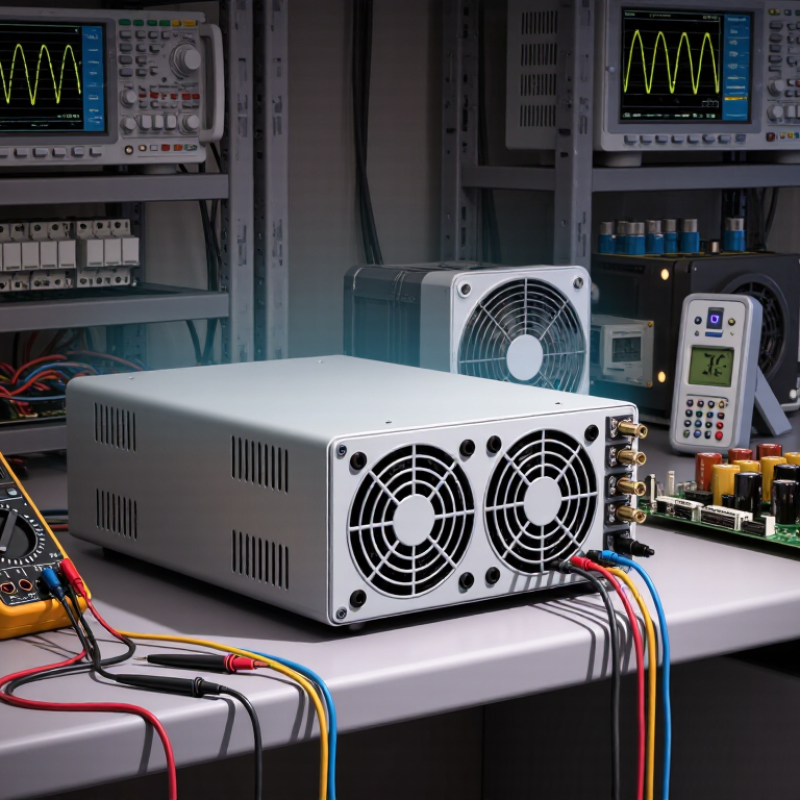
Choosing a switching power supply begins with measuring the real load, not guessing from its label. Record the required voltage, typical current, peak current, and startup surge. Motors, relays, and capacitive circuits may briefly demand much more power. That short event matters.
Check the load during normal operation and during its worst cycle. A device drawing 3 amperes continuously may need 6 amperes for two seconds. Select a supply with enough headroom, but avoid oversized units without reason. A practical margin of 20% to 30% often helps. It is not a universal rule. Heat, aging, and production variation can change the result.
Operating conditions deserve equal attention. Measure the enclosure temperature, available airflow, humidity, and installation height. A supply tested on an open workbench may behave differently inside a sealed cabinet. In my testing, poor ventilation has caused more trouble than incorrect wattage. Check voltage tolerance, ripple limits, startup time, and protection behavior. Some loads dislike slow startup or repeated current limiting. Also consider electrical noise near sensors or communication circuits. I sometimes focus too heavily on power capacity and overlook acoustic noise or connector stress. That mistake is easy to repeat. Verify the specifications under actual conditions, then test a representative unit through cold starts, full load, and extended operation.
Compare Switching Power Supply Types and Output Specifications
Choosing a switching power supply starts with its type and output requirements.
An enclosed supply suits protected control cabinets, while an open-frame model fits equipment with its own housing. External units are practical for compact devices and easier replacement. DIN-rail supplies work well in industrial panels. Each type solves a different installation problem. I have learned that a physically smaller unit is not always the better choice.
Compare output voltage, current, and total wattage carefully.
A 24-volt supply rated at 5 amps provides up to 120 watts, but continuous operation should leave a safety margin. Check whether the load needs regulated DC, adjustable voltage, or multiple outputs.
Sensitive sensors may react badly to ripple and electrical noise. Motors and valves can draw a brief startup surge, so the listed running current may mislead you. Also inspect efficiency, thermal performance, overload protection, and cooling space. Datasheets are useful, but real cabinet temperature can challenge their assumptions.
Tips:
Measure the load during startup, not only normal operation. Leave roughly 20% headroom when conditions are uncertain. Confirm input range and terminal layout before installation. Review the manufacturer’s test conditions, because ratings can change with heat.
No choice is perfect. A cautious comparison prevents expensive redesigns.
Verify Electrical Safety, Protection Features, and Compliance
How to Choose a Switching Power Supply for Your Needs?
Electrical safety should guide the selection process, not just output voltage and wattage. Check the supply against IEC 62368-1, which addresses energy hazards, electric shock, fire, and abnormal operating conditions. Its enclosure should resist cracking, overheating, and accidental contact with live parts. Look for clear input ratings, protective earthing, and documented insulation distances. Small details matter.
Protection features need practical verification. Overvoltage protection should prevent damage when the load changes suddenly. Overcurrent and short-circuit protection should limit stress without repeated dangerous restarting. Thermal shutdown is also important in a crowded cabinet with poor airflow. The U.S. Department of Energy’s Level VI rules limit no-load power for many external supplies, with limits reaching 0.10 watts for some products. The IEA 4E Standby Power Annex has reported that standby consumption can represent 5–10% of household electricity use. Efficiency is therefore a safety and operating-cost concern.
Compliance documents deserve careful reading. Request test reports, certification numbers, operating-temperature limits, and EMC results, rather than accepting a logo alone. EU Ecodesign Regulation 2019/1782 provides efficiency and no-load requirements for external power supplies. A field check should include a warm-up test, output-voltage measurement, and inspection for odor, noise, or unusual heat. I have seen specifications look excellent while ventilation was overlooked. That mistake is easy to repeat. Requirements also vary by market, installation type, and final equipment, so independent review remains wise.
Evaluate Efficiency, Thermal Performance, and Physical Installation
How to Choose a Switching Power Supply for Your Needs?
Choosing a switching power supply starts with real operating conditions, not the largest wattage printed on a box. I measure the load during startup, normal operation, and brief peaks. A 24-volt load drawing 3.2 amps needs 76.8 watts continuously. I usually leave 20 to 30 percent headroom. More is not always better. Oversizing can reduce efficiency at light loads and increase cost.
Efficiency affects both electricity use and heat.
A unit operating at 90 percent efficiency wastes about 8 watts while delivering 72 watts. That heat needs somewhere to go. Check the datasheet for efficiency curves, ambient temperature limits, and derating information. In a sealed cabinet, allow space around the supply and avoid placing it above a heat-producing device. Forced airflow can help, but fans collect dust and require maintenance. I have underestimated this before. The cabinet felt cool outside while internal terminals were hot.
Physical installation deserves equal attention.
Confirm input and output clearances, mounting orientation, terminal access, cable-bending space, and enclosure depth. A narrow supply may fit the rail but leave no room for a screwdriver. Verify test reports and applicable electrical requirements before installation. Use properly rated wiring and secure every connection. A loose terminal can create resistance, heat, and an intermittent fault. Leave room for inspection. Future maintenance rarely happens in perfect conditions.

 Products
 News
News
 Whatsapp
 Skype
Skype
 Wechat